



COVID-19 aceleró la transformación digital: Por qué los negocios modernos deben abrazar la tecnología
Cuando COVID-19 disrumpió global supply chains y daily life, también clarificó una single truth: digitization is no longer optional. Businesses that failed to adapt risked significant revenue loss y customer attrition, mientras those that leveraged technology delivered faster, higher-quality service y secured a competitive edge.
La Pandemia Aceleró el Shift to Digital Business Models
Digital transformation had already been a strategic priority for many companies, but the pandemic forced a rapid pivot. Enterprises that could not transition to online platforms or remote workflows found themselves sidelined by competitors who had already embraced digital tools.
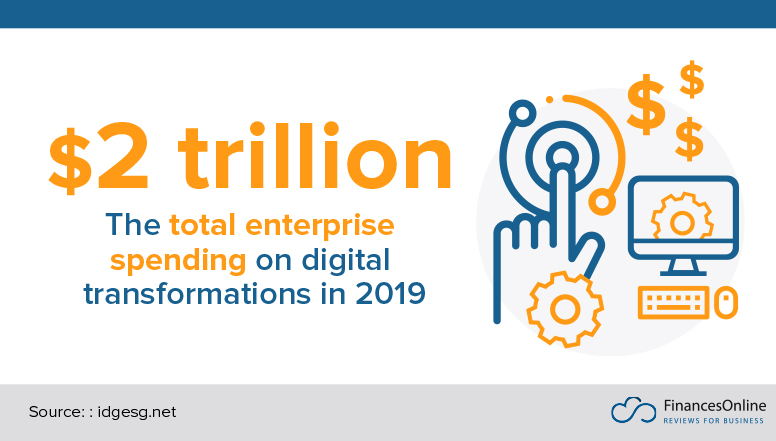
Image Credit: financesonline.com
Desde students mastering e-learning a consumers ordering groceries online, la pandemia aceleró la adopción de technology across all sectors. A robust online presence —website, mobile app y social media— has become essential for sustaining operations, automating processes y cutting costs.
In this climate, digital transformation is the deciding factor for survival. Businesses that integrate digital technologies can serve customers anywhere, anytime y at lower operating expenses.
Por qué la Adopción Digital es Crítica para el Éxito Empresarial
2020 saw an explosion of services like Zoom, DoorDash, Postmates y Zomato, ilustrando cómo smartphones y internet became the backbone of everyday life. Remote meetings, online ordering y telehealth were no longer luxuries but necessities.
Según Singapore Economic Survey, small businesses que adopted digital tools saw a 25% increase in revenue y a 14% boost in productivity. Estas statistics underscore the tangible benefits of technology adoption, even for the smallest enterprises.
Digital solutions mitigate economic shocks by creating new revenue streams, cutting operational costs y streamlining workflows. Companies that resist digitization risk falling behind as labor becomes less central to their operations.
Restaurants are migrating to online ordering platforms, y transportation providers are investing in advanced ride-sharing apps, reflecting a shift toward private, contact-less mobility that persists beyond the pandemic.
Rapid Digitization in the New Normal
Global lockdowns ushered in a "new normal" donde consumers rely on apps y websites to fulfill daily needs, avoiding physical stores for safety. This shift caused a worldwide drop in spending but also created unprecedented demand for digital commerce.
More than 70% of consumers now order food y groceries online, benefiting from contact-less delivery y payment options. Brands that rapidly adopted digital tools could streamline orders, payments y customer service, turning a crisis into an opportunity for growth.
Digital investment is now a necessity, not a luxury. From online ordering to remote work, cloud adoption y AI-driven customer service, the technology stack that gives a firm an advantage is constantly evolving.
Digital transformation offers several key benefits:
- Reduced operational costs
- Global reach y market expansion
- Enhanced customer service y engagement
- Higher conversion rates
- Sustained competitive advantage
By adopting digital strategies, businesses can operate across time zones, eliminate geographic constraints y process payments in any mode —critical advantages in a post-pandemic economy.
Adopción Emprendedora de Transformación Digital
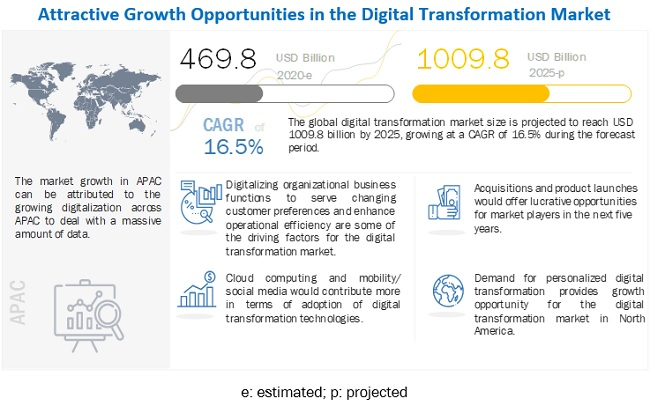
Image Credit: marketsandmarkets.com
The pandemic spurred an unprecedented acceleration in technology adoption across all business sizes. Even small e-commerce operators now integrate multiple payment gateways to support contact-less transactions, while local restaurants deploy mobile-first solutions for rapid delivery.
Emerging technologies —cloud, microservices, chatbots, big data, AR/VR, digital currencies— enable seamless connectivity y real-time transactions, keeping businesses operational under crisis conditions.
Remote Work: El shift from 30% to over 70% remote-working employees in the U.S. demonstrates how collaboration tools like Zoom y Teams have become integral to productivity.
Omnichannel Commerce: With physical stores shuttered, consumers turned to platforms such as Instacart y DoorDash. Brands that offered digital ordering y delivery experienced sustained engagement.
Online Content Consumption: Lockdown led to a 51% increase in global streaming service usage, con Netflix adding 16 million new subscribers in the first three months of 2020.
These digital solutions are keeping businesses afloat, engaging customers y building resilience against future shocks.
¿Durará la Revolución Digital?
The transition to online ordering y digital interactions is now ingrained. While Gen X y Y may still be cautious, Gen Z embraces mobile-first experiences. Over 57% of consumers plan to maintain digital habits post-pandemic, spanning online banking, shopping y payments.
As businesses invest in digital infrastructure —social media, mobile apps, AI chatbots— continuity becomes a reality, even for traditionally offline enterprises.
The convergence of emerging technologies such as blockchain, IoT, IA, machine learning y robotics will shape the next phase of economic development. Small businesses that adopt these tools can transform into digital-native enterprises, contributing to national growth.
Image Credits: provided by the author; thank you!
Tecnología de Internet de las cosas
- El Papel Evolutivo de los Gestores de Mantenimiento en la Era Digital
- El camino de Amazon a través de la COVID-19: desafíos, adaptaciones y crecimiento
- Desbloqueando datos IoT: Cómo la gestión de reglas de negocio impulsa valor empresarial
- Desbloquea Nuevas Fuentes de Ingresos con IXON Cloud: 5 Modelos de Negocio IoT Probados
- Maximizar el IoT en Restaurantes: Impulsar la Eficiencia, Reducir Desperdicios y Encantar a los Clientes
- Cómo el IoT Mitiga el Impacto del Cambio Climático en la Agricultura
- Cómo IoT mejora la productividad en el lugar de trabajo moderno
- Día Internacional de la Mujer en la Ingeniería 2021: Disparidad de género en tech impulsada por la pandemia
- Cómo la Transformación Digital Revoluciona la Industria de Servicios Públicos
- Consolidación Data Center: Reduciendo Costes, Mejorando Seguridad y Eficiencia
- Distanciamiento social impulsado por IA: revolucionando la transformación digital de negocios